


February 2026, Kumppanuuskeskus
“Little Scientists” was a series of four engaging STEM workshops that combined science education with learning the Polish language in an attractive and accessible way. The classes were designed for children to develop their curiosity about the world and their language skills through play, experimentation, and observation.
The workshops were organised as part of science-based language workshops and were aimed at children who wanted to explore the world of science while expanding their vocabulary and learning to express themselves in Polish.
During the activities, participants developed an interest in science, practiced observation, logical thinking, and drawing conclusions. An important element of the workshops was also expanding vocabulary related to experiments and physical and chemical phenomena, as well as learning how to create simple instructions in Polish.
Each meeting consisted of a short theoretical introduction, joint preparation of materials, performing a simple experiment, and describing the process step by step in the form of instructions. Through hands-on experimentation, children gained new experiences, developed curiosity about the world, and discovered that science can be an exciting adventure.
Week 1 – Lava Lamp
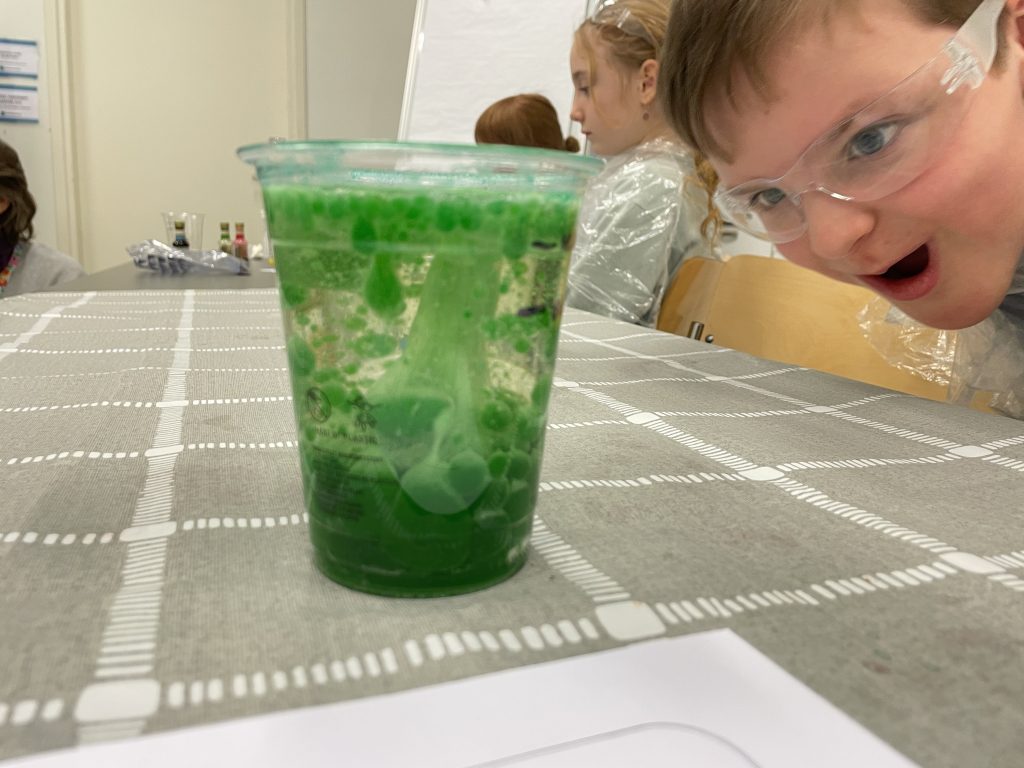
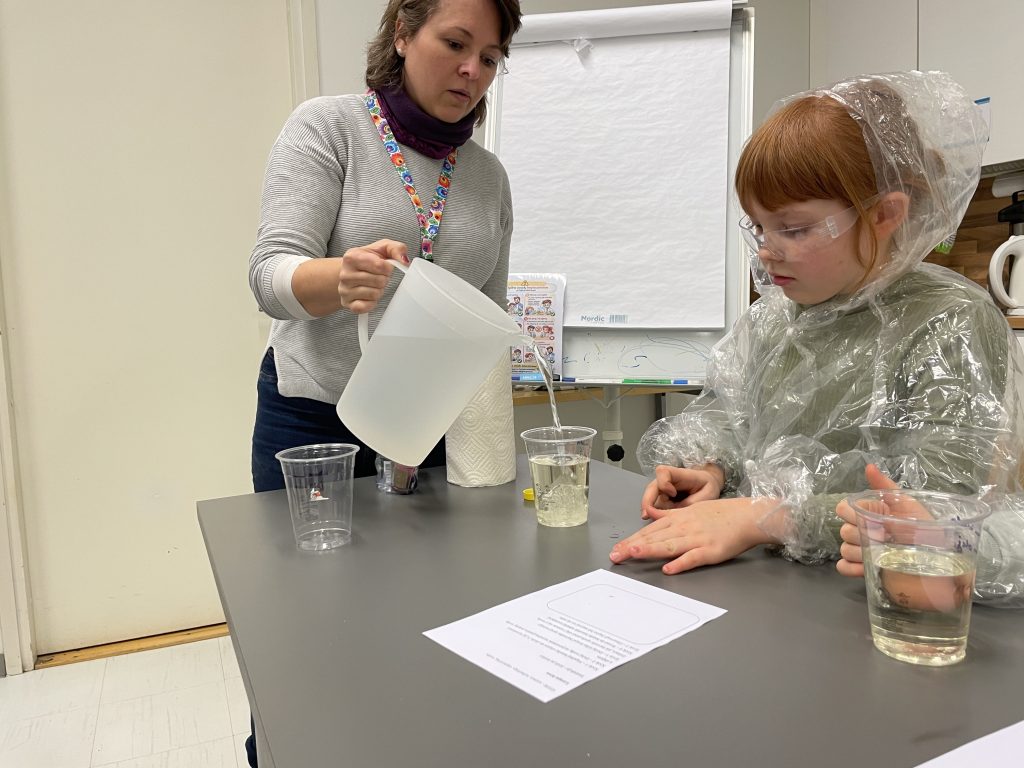
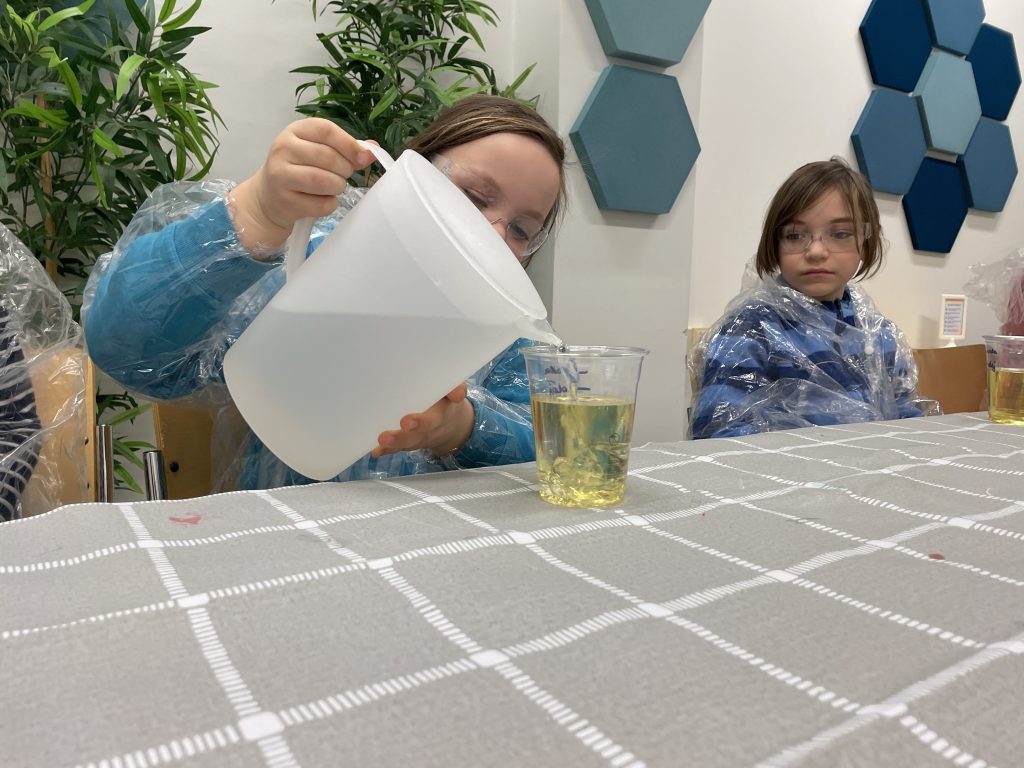
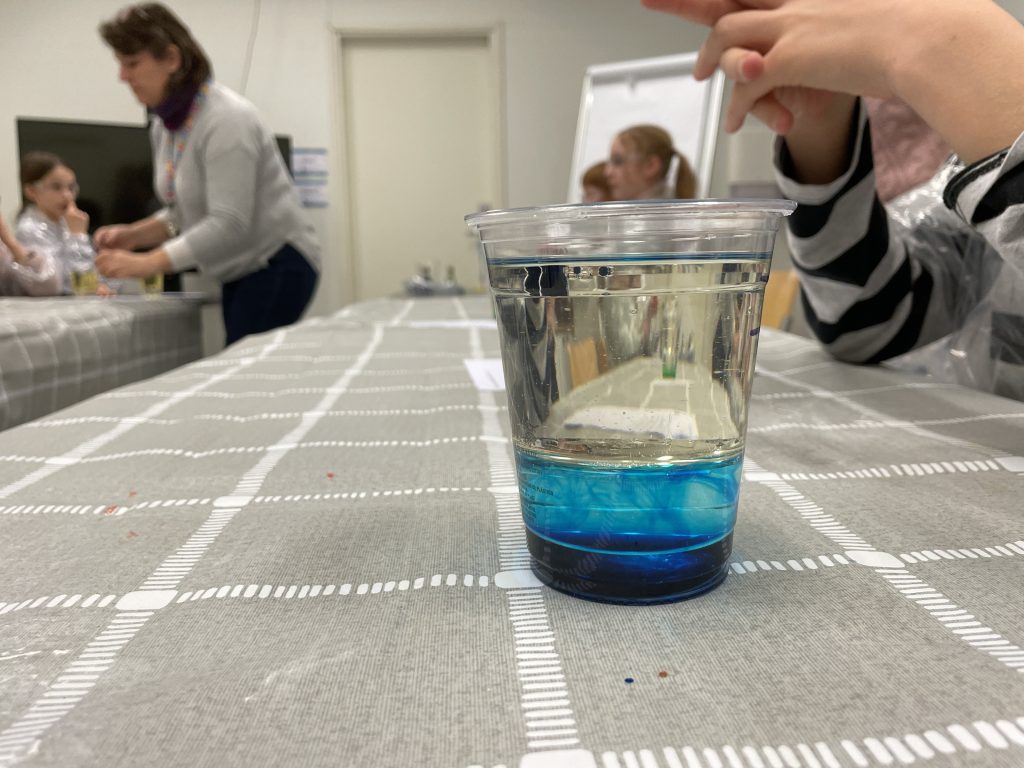
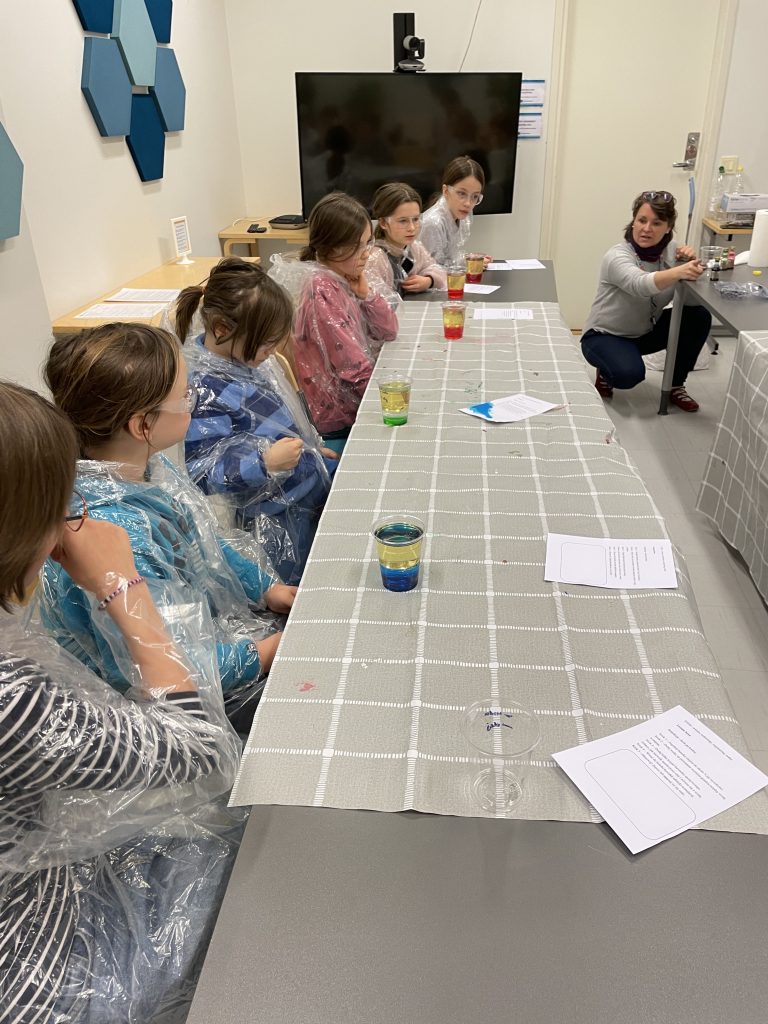
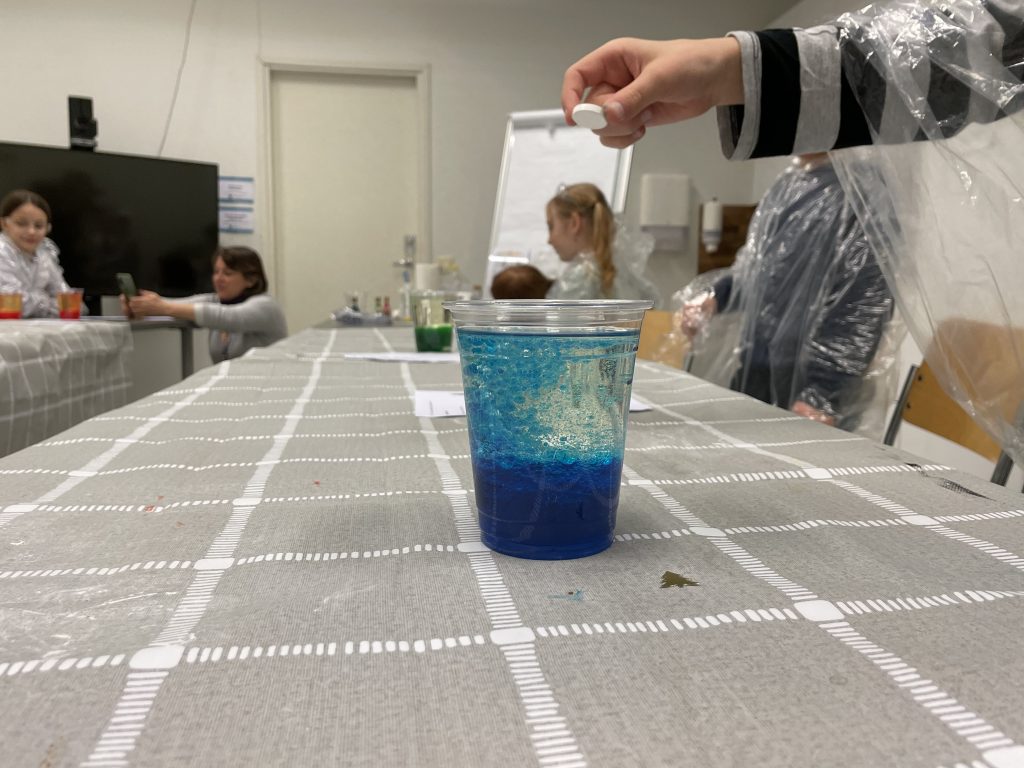
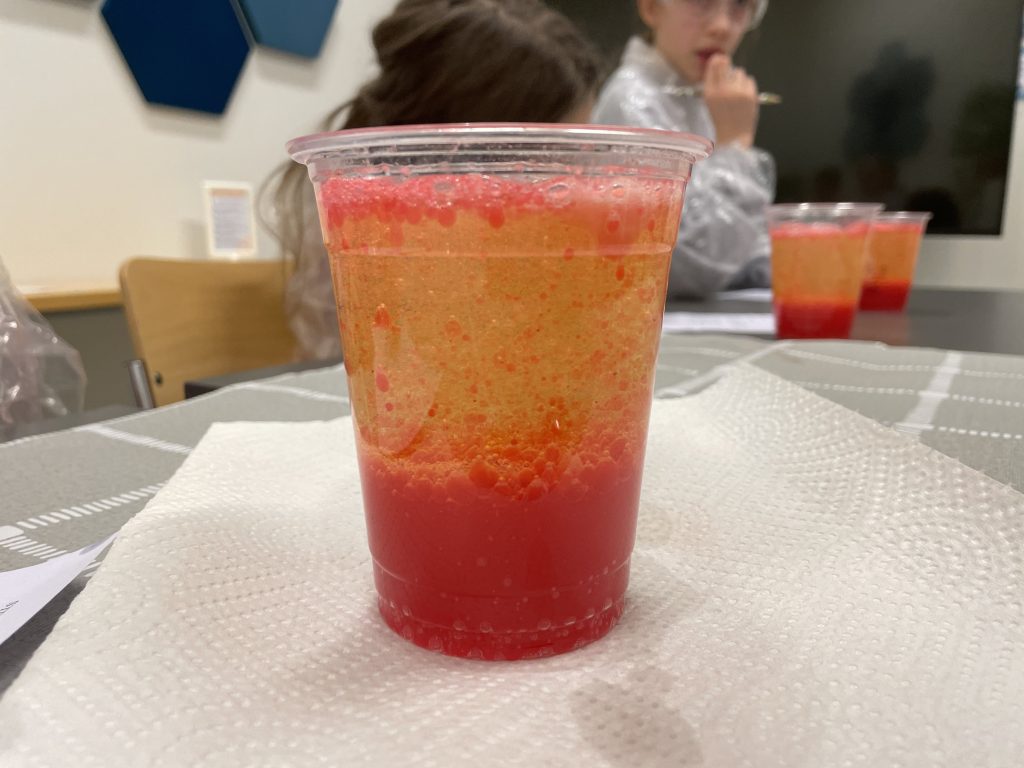
During the first STEM language workshop, children learned about the concept of liquid density by performing a colourful and visually impressive lava lamp experiment. Before starting the experiment, participants were introduced to the basic rules of working safely in a laboratory.
Next, the children prepared the materials together and carried out the experiment step by step, observing how different liquids interact with one another. The activity allowed them to understand the concept of density in practice and observe how the lava lamp effect is created.
The workshop was an opportunity to learn through play, develop curiosity about the world, and acquire new vocabulary related to science. The experiment was a success, and the smiles and enthusiasm of the participants were the best proof that science can be a fascinating adventure.





Week 2 – Vacuum
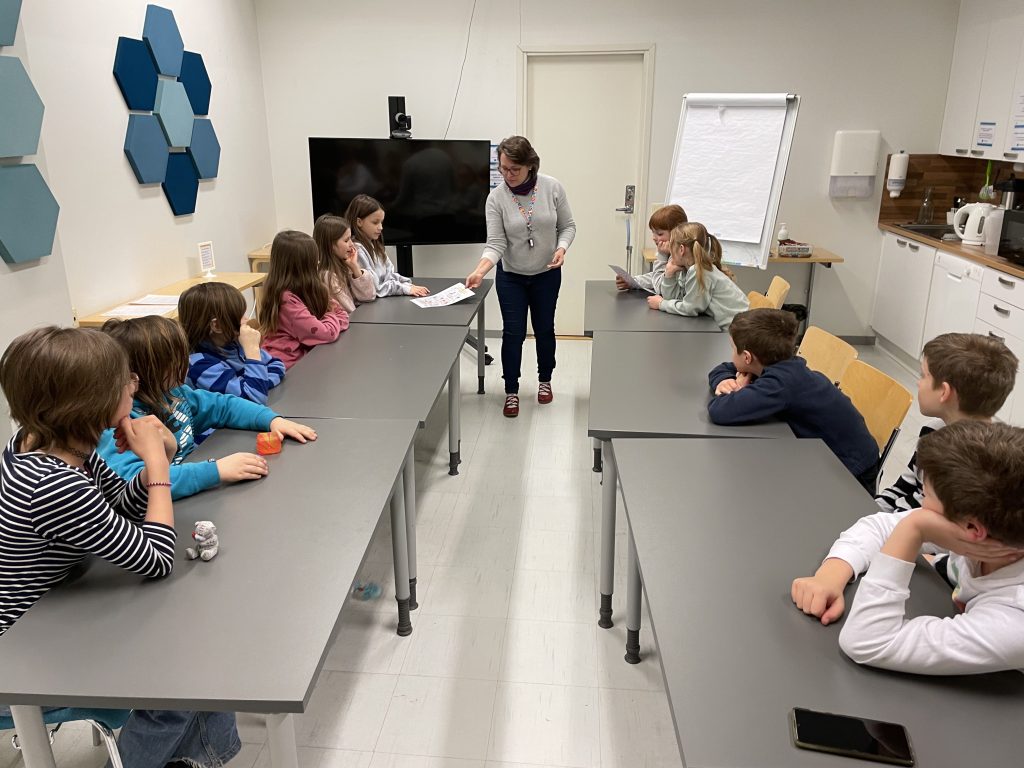
During the next session, participants entered the world of scientific experiments and explored the concept of vacuum, combining learning with fun.
At the beginning, we reviewed the rules of safe laboratory work and then moved on to experiments. One of the activities involved extinguishing a candle without blowing on it. Using only a glass and a bit of curiosity, the children discovered that fire cannot exist without oxygen.
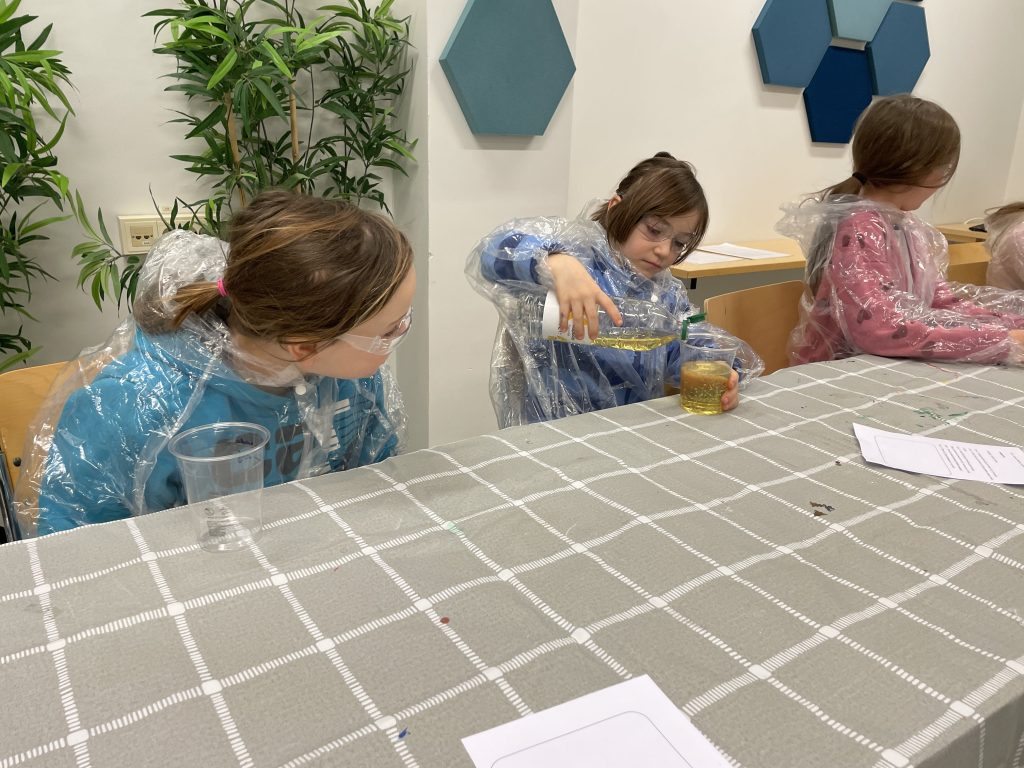
The next experiment involved water and observing the phenomenon of lower pressure. Participants could see with their own eyes how the laws of physics work and how surprising scientific experiments can be.
At the end of the workshop, the young scientists created short rhymes describing the experiment, reinforcing what they had learned. The activity showed that science can be both engaging and enjoyable.


Week 3 – Fire Extinguisher
During the third STEM workshop, participants took on the role of real scientists. The session began with a reminder of laboratory safety rules, after which the children put on protective equipment and began their experiments.
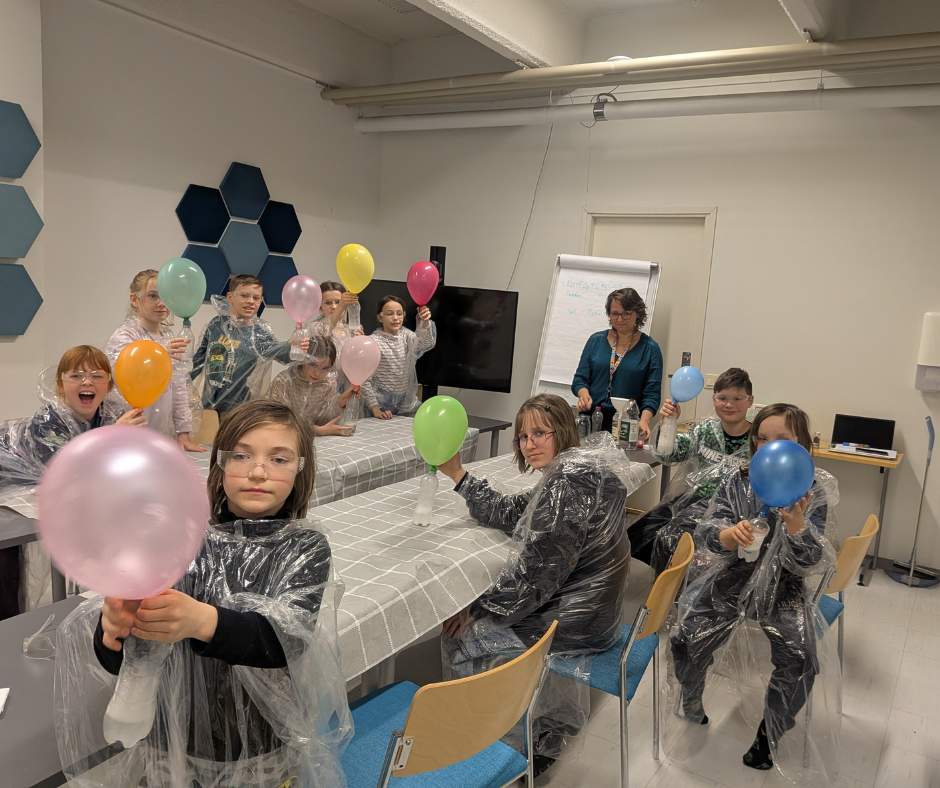
In the experiment, vinegar was poured into bottles and baking soda was placed inside balloons. When the ingredients were combined, a rapid chemical reaction occurred, producing carbon dioxide (CO₂). The gas inflated the balloons and in some cases even caused them to burst spectacularly.
The collected gas was then used in another experiment – it was used to extinguish burning candles. This provided an excellent opportunity to discuss the properties of carbon dioxide and its practical applications in everyday life. The children also watched a short video explaining how CO₂ fire extinguishers work.
The workshop helped children understand how scientific experiments relate to real-life applications.


Week 4 – Bridge and a Nutella Sandwich
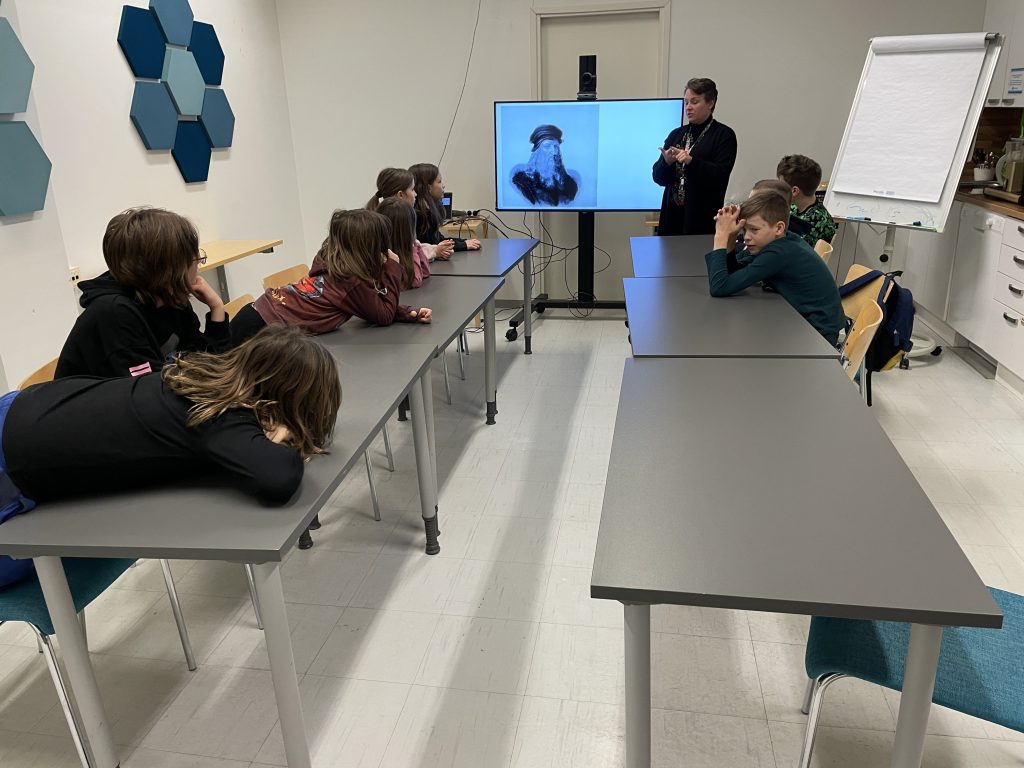
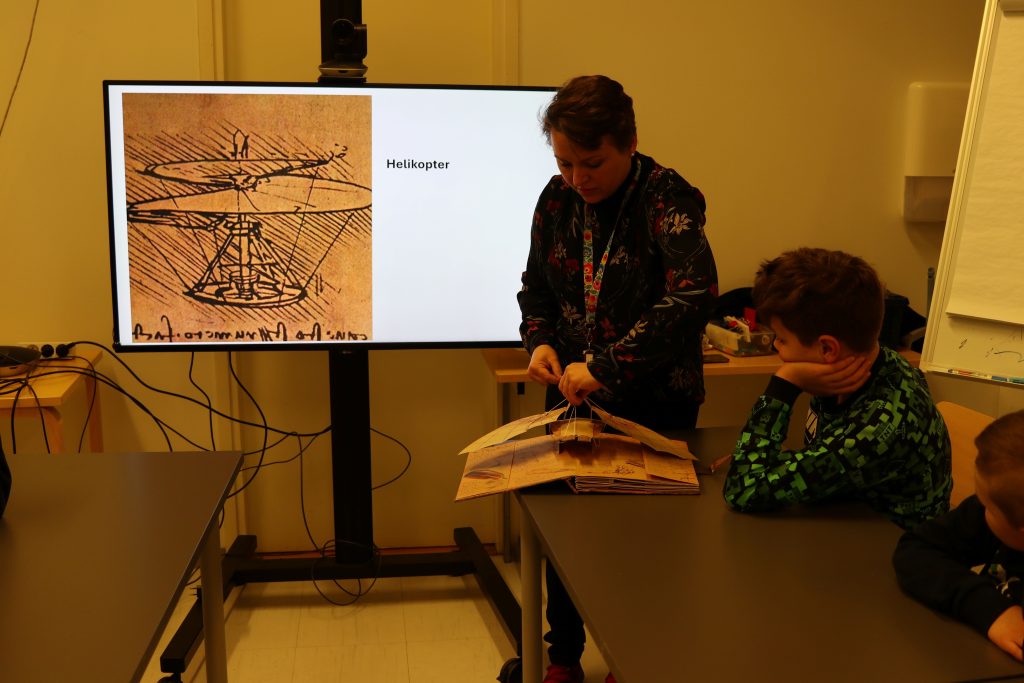
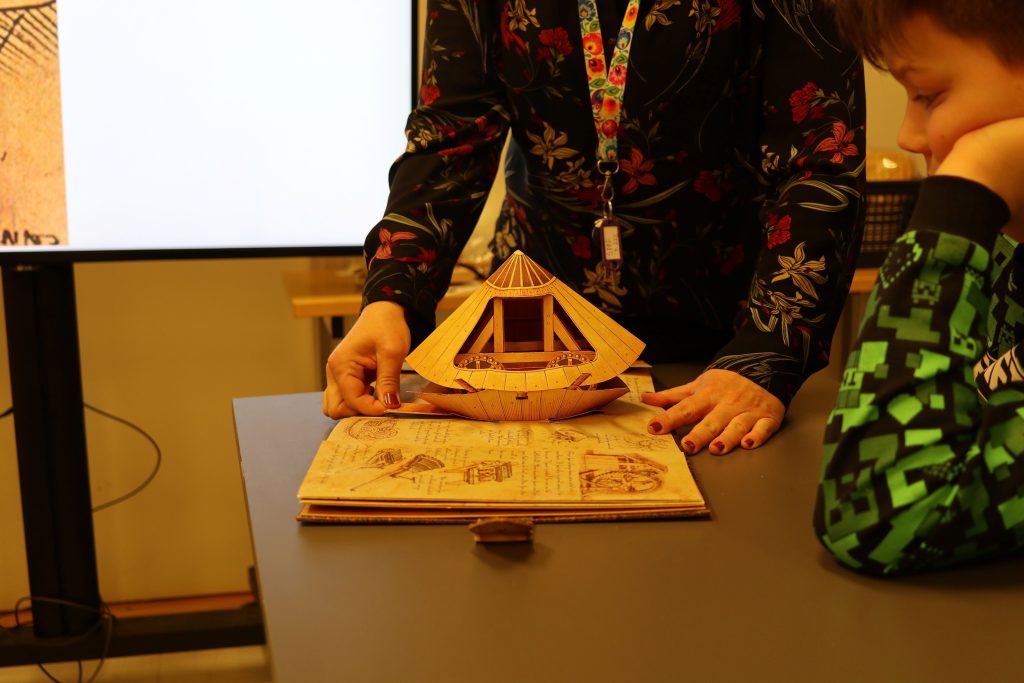
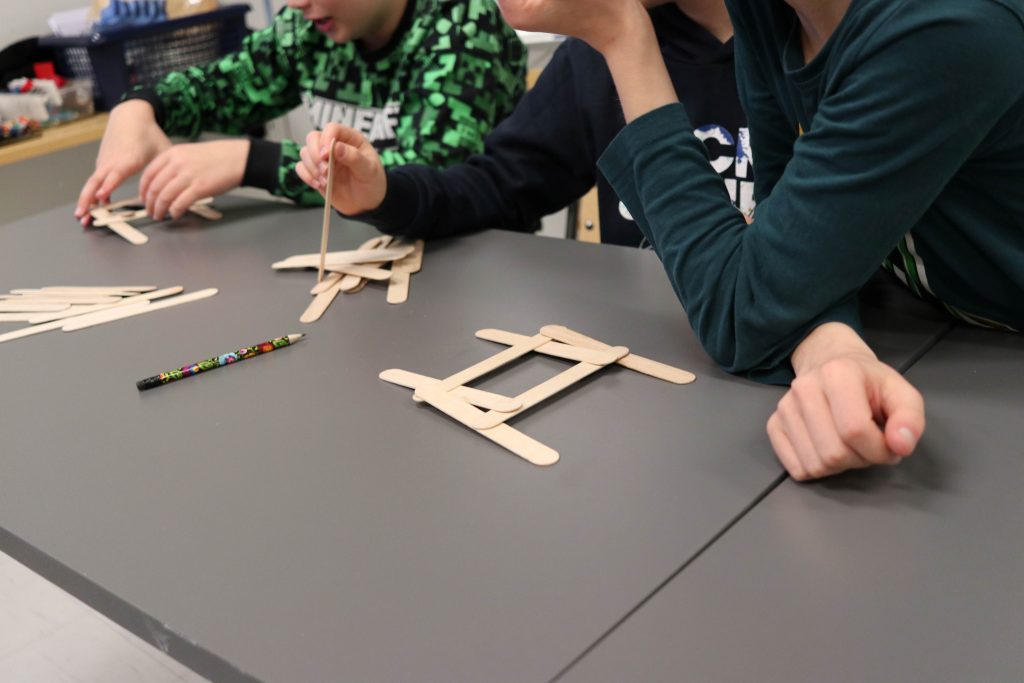
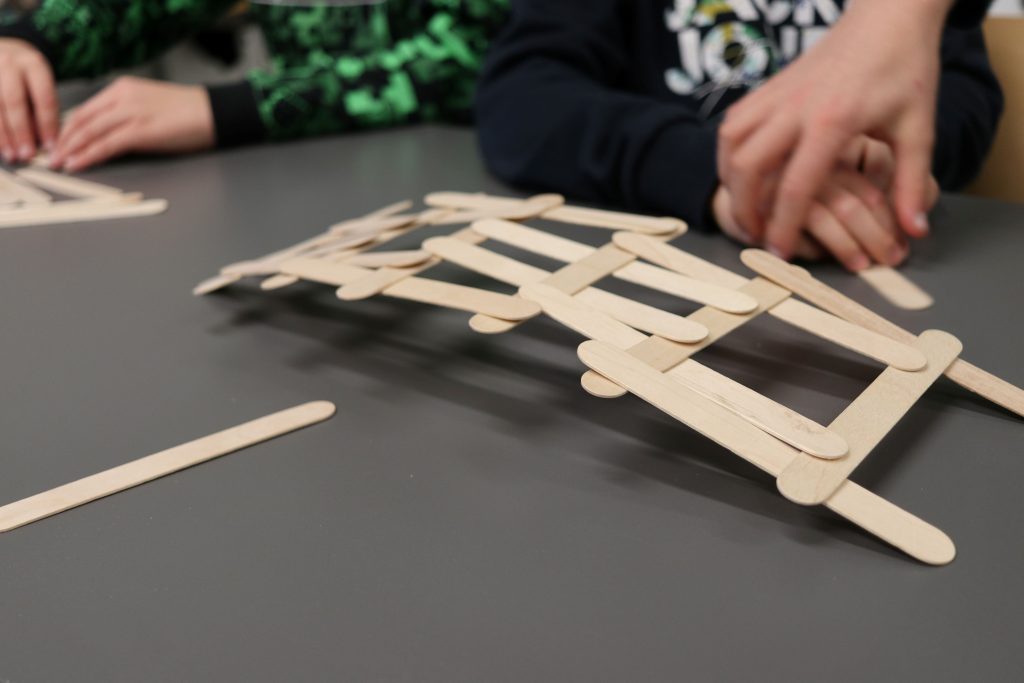
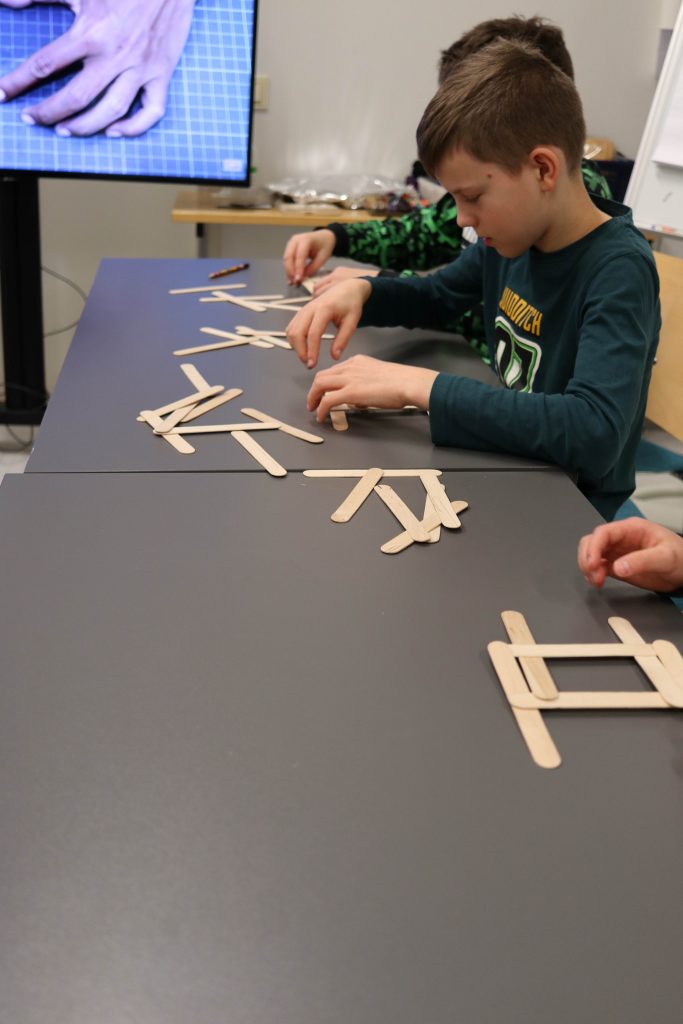
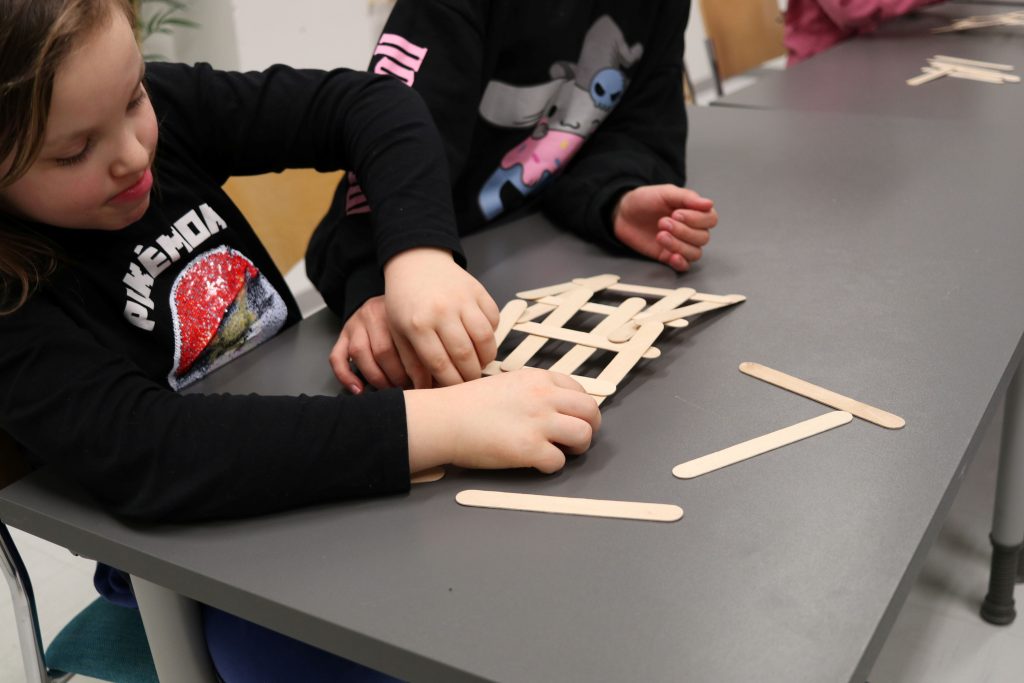
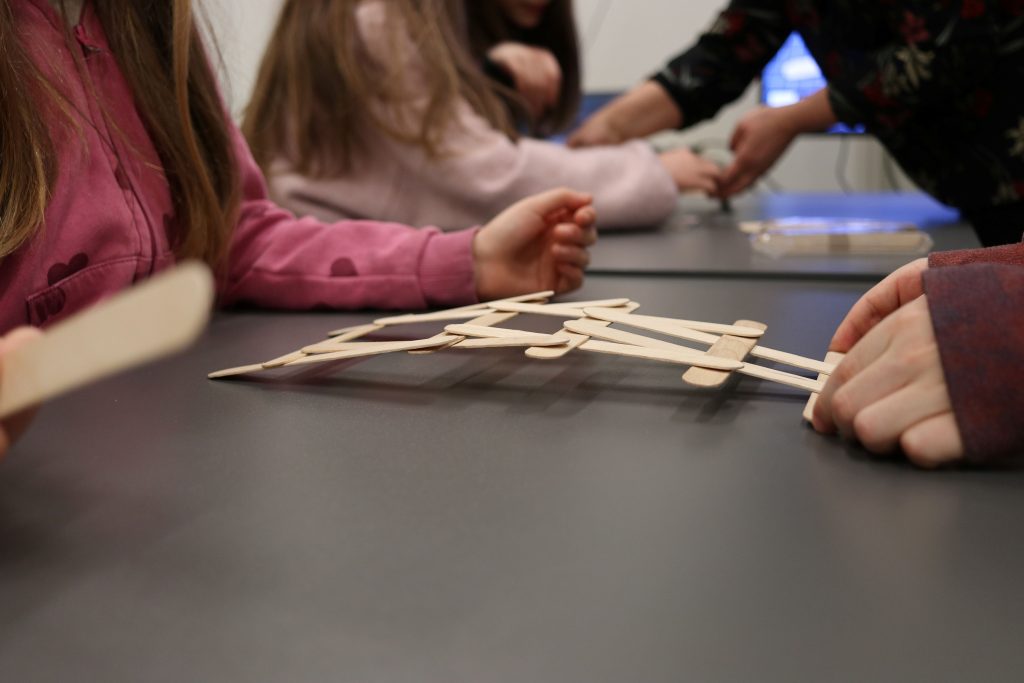
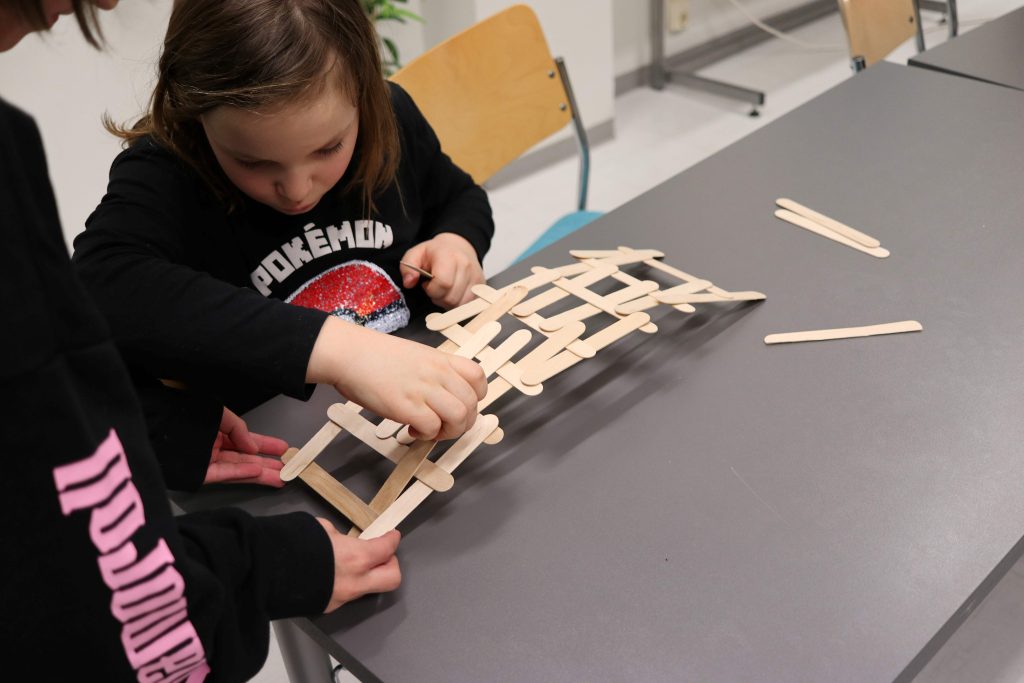
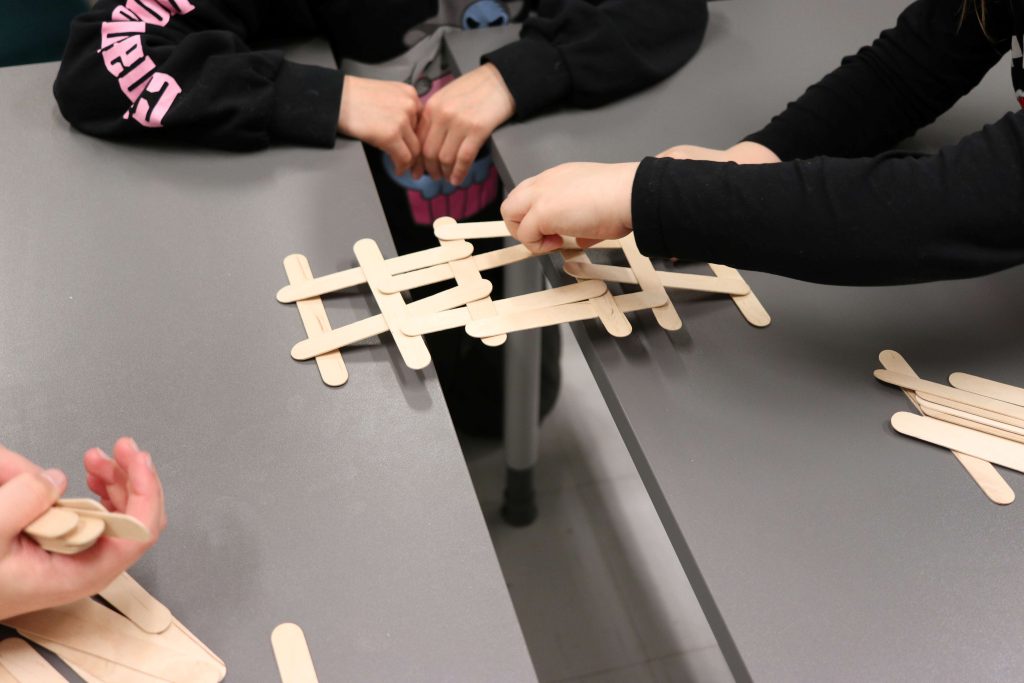
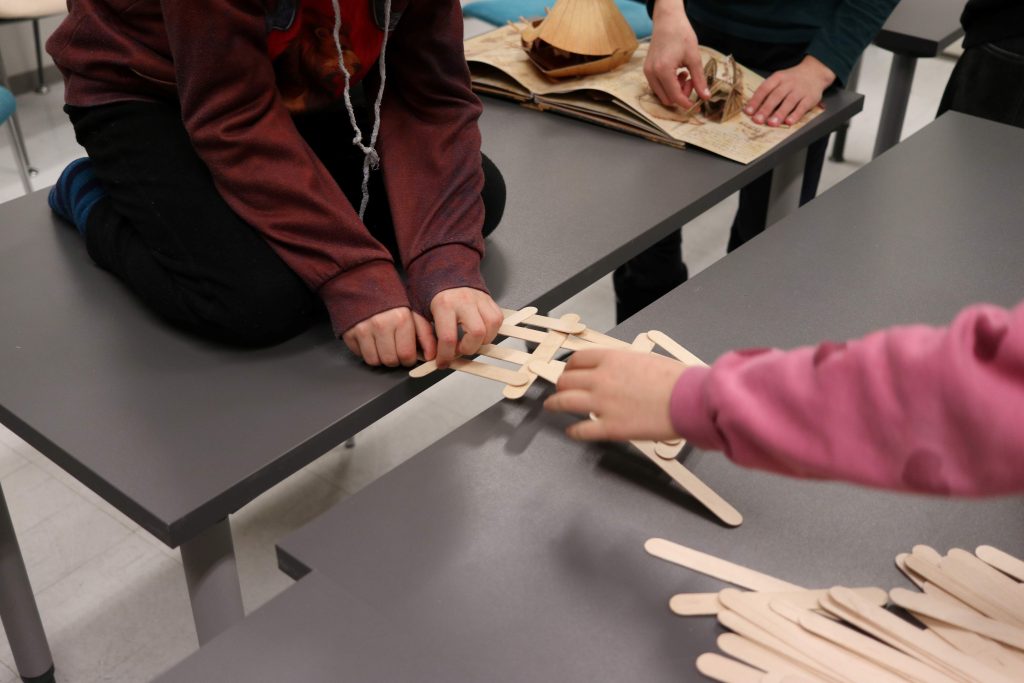
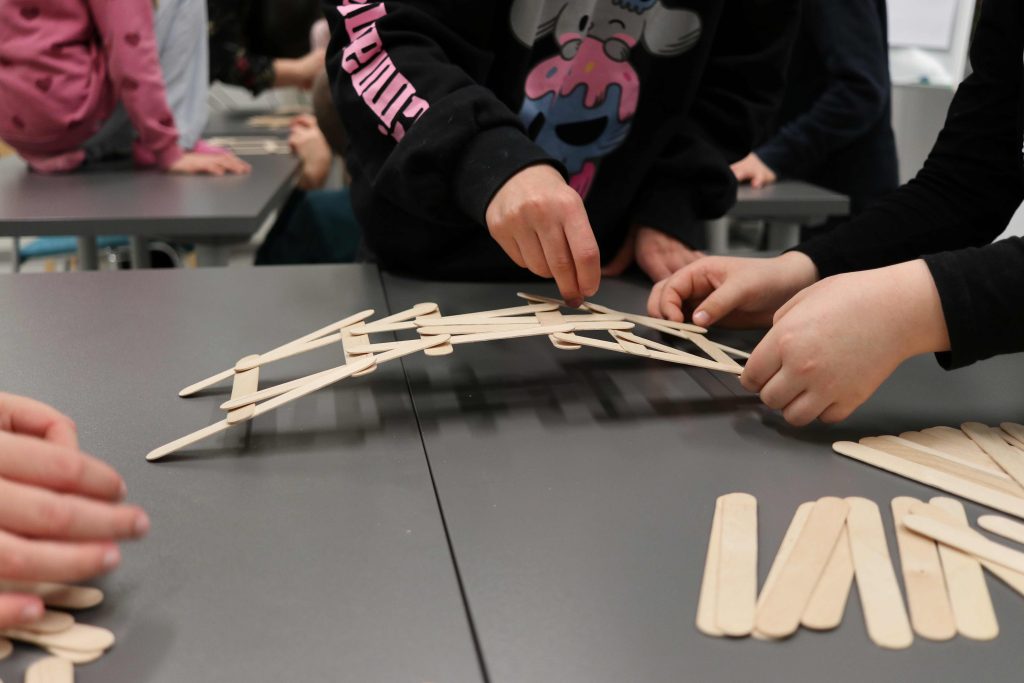
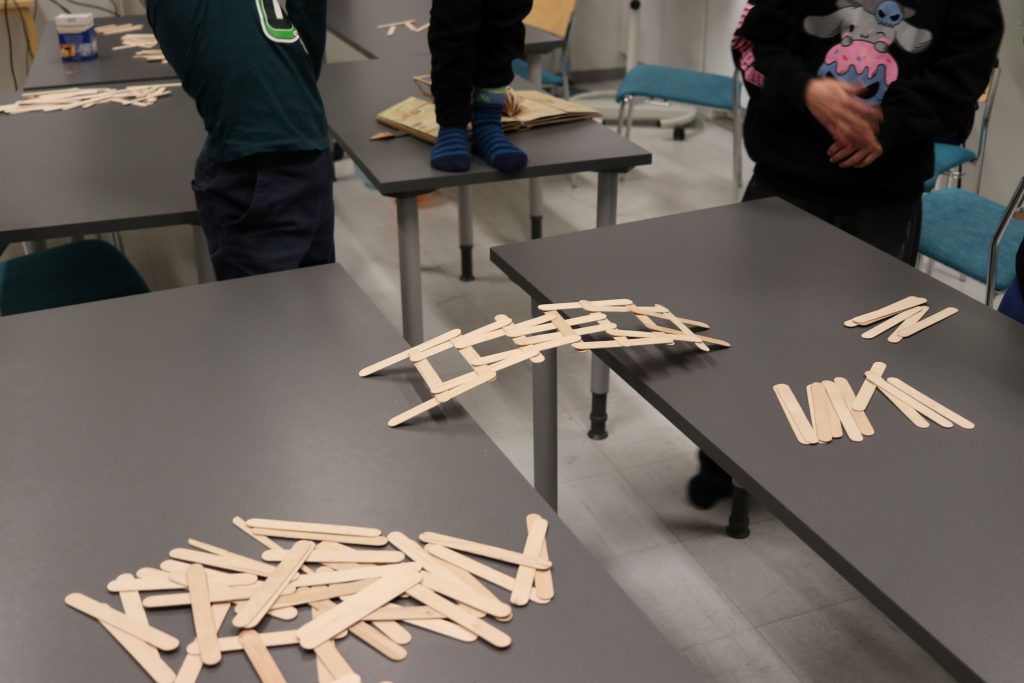
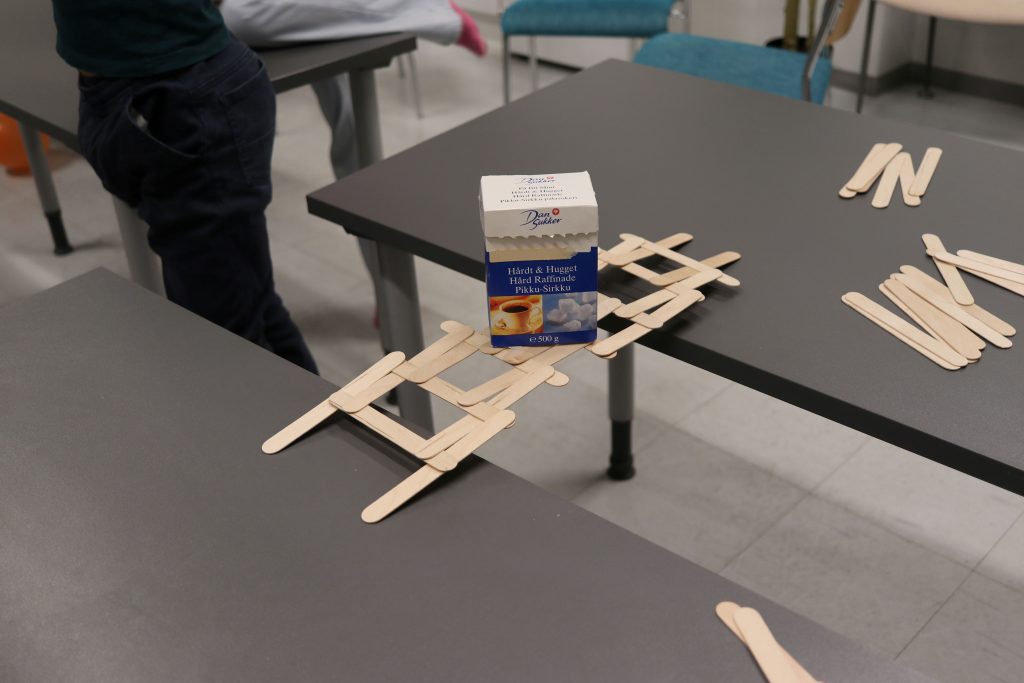
During the final workshop in the STEM series, participants became young engineers. Their task was to build a bridge inspired by the design of one of the greatest inventors in history – Leonardo da Vinci.
While working on the project, children developed their engineering thinking and construction skills, but also practiced important abilities such as teamwork, communication, and collaboration.
Building the bridge gave participants an opportunity to solve problems together, test ideas, and observe how theoretical concepts can be applied in practice. The activity showed that science and engineering can be both fascinating and fun.
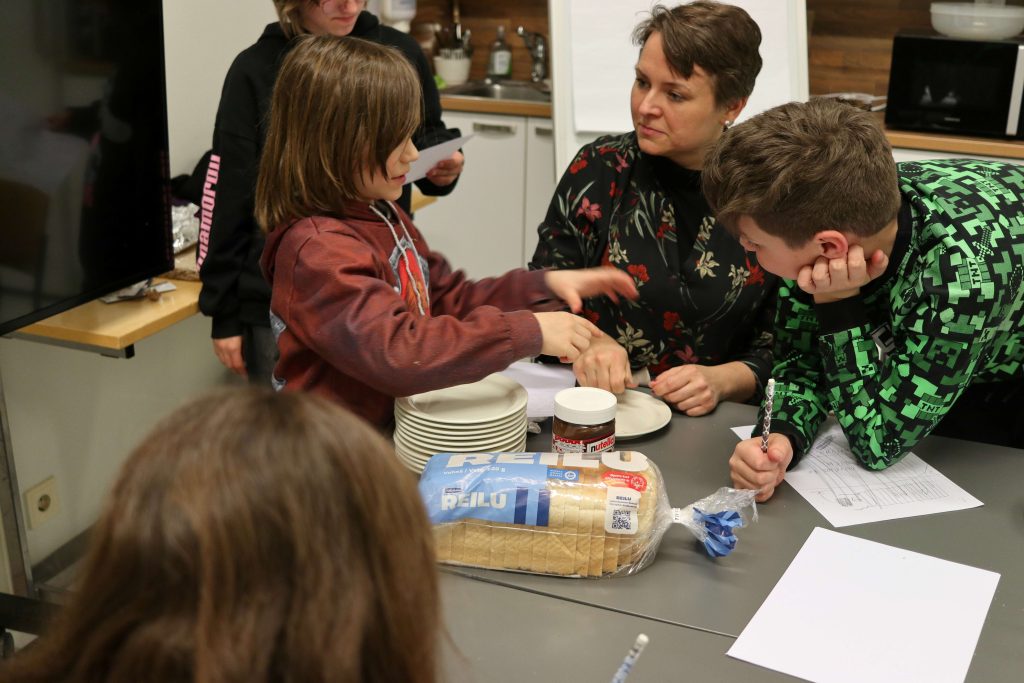
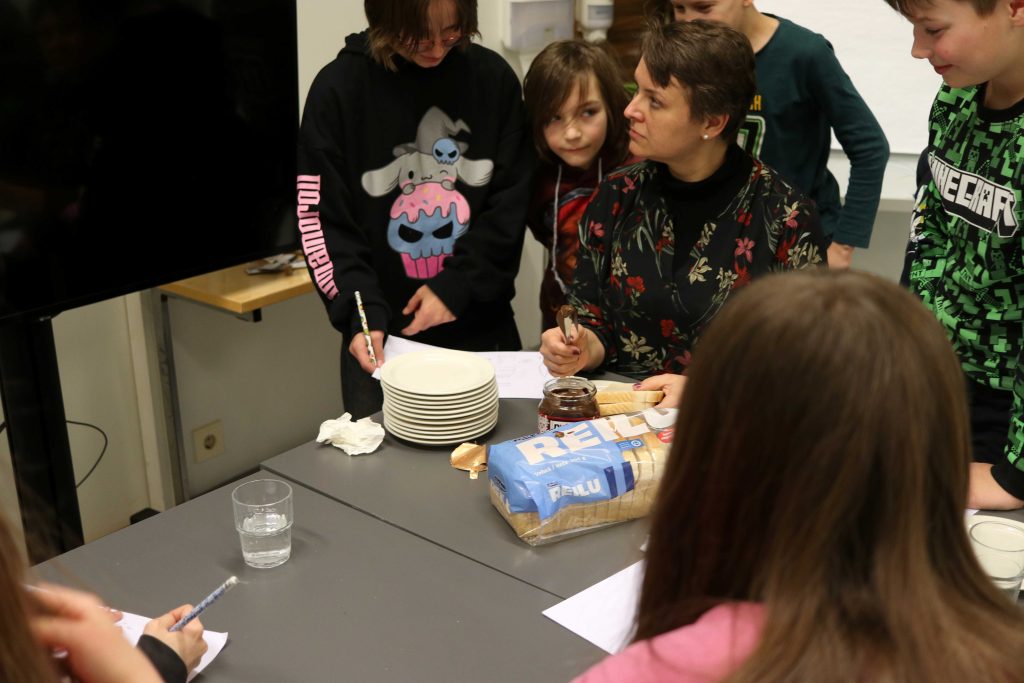
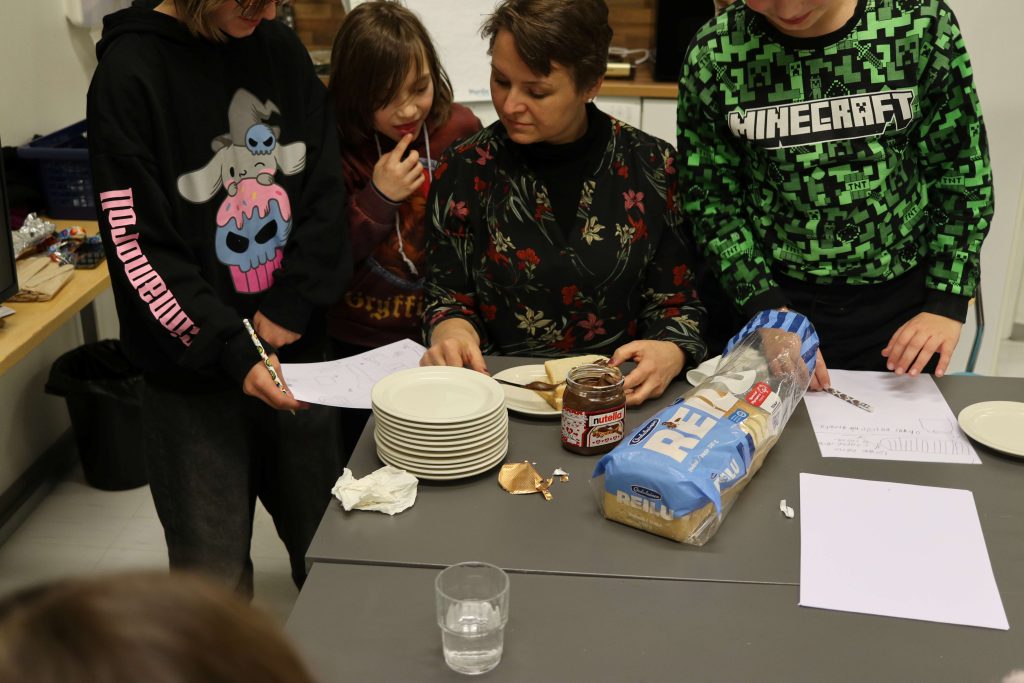
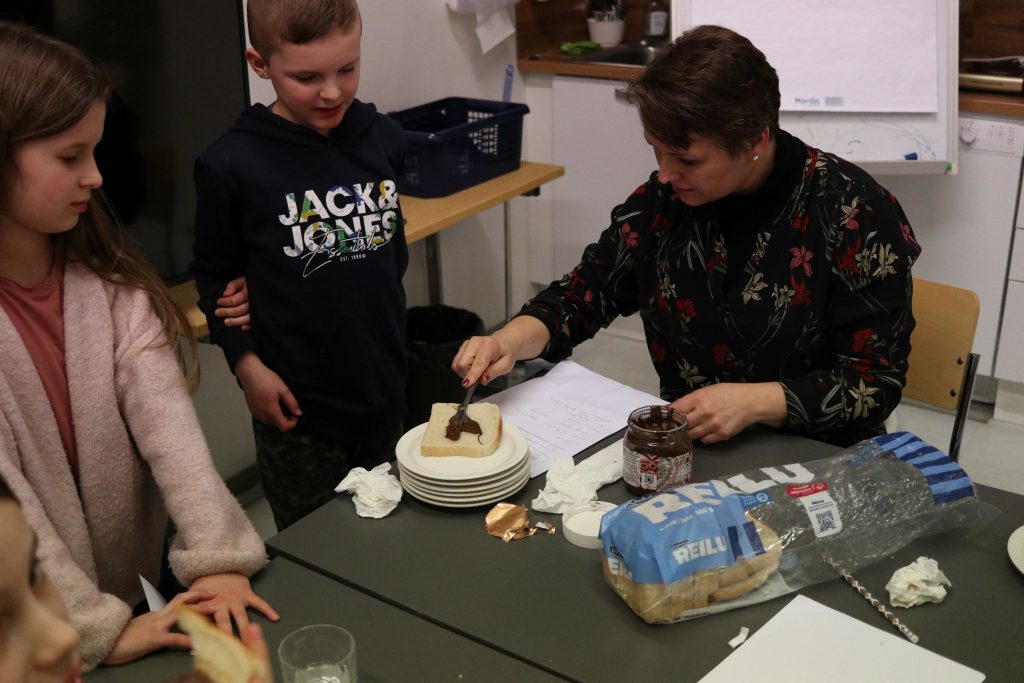
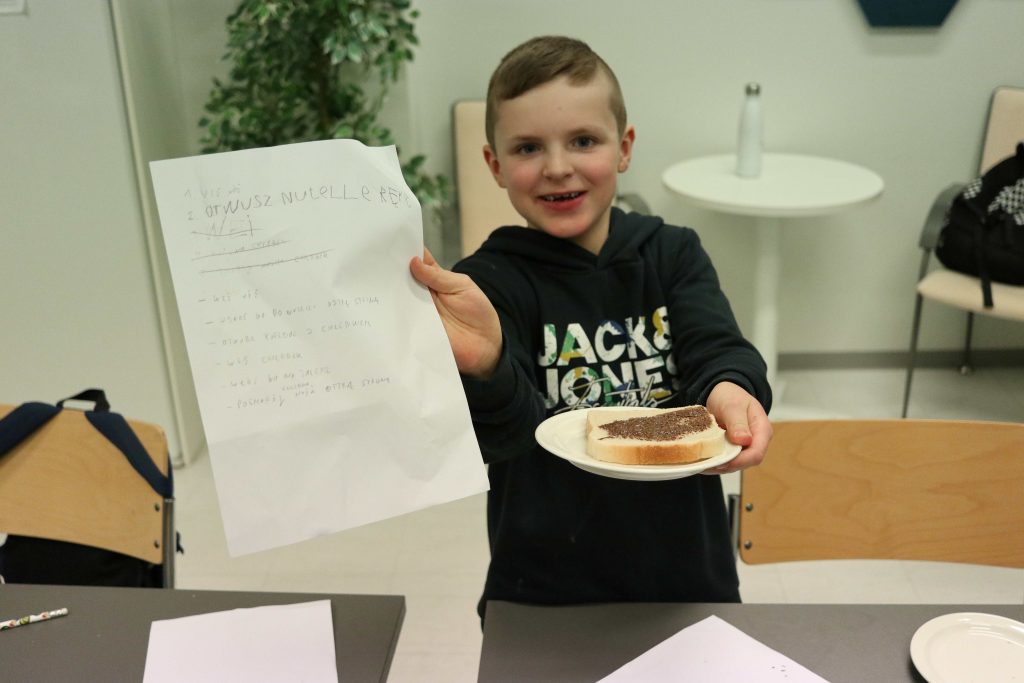
At the end of the workshop, the participants took on the role of chefs and created step-by-step instructions for making a Nutella sandwich – prepared especially for… an alien. This task helped children practice writing clear instructions and develop their language skills. The activity was full of laughter and positive emotions, providing a perfect conclusion to the entire workshop series.




This event is funded by the Embassy of the Republic of Poland in Helsinki from the Polish Diaspora funds of the Ministry of Foreign Affairs of the Republic of Poland.